
Gears That Create Art
Understand the patterns behind
every game
Discover, compare, and choose board games through the mechanics
you love — tile placement, set collection, sequence building, and
beyond.
Editor's Selection
Games worth owning
Ranked by mechanic depth, replayability, and ease of teaching. Complexity ratings run from 1 (casual evening) to 5 (dedicated enthusiast).
-

Tile Placement
2–4 players · 30–45 min
Azul
One of the most elegant introductions to pattern-based play ever designed. You draft colorful tiles from a central market and arrange them on your personal board to score points. Every round is a tight, satisfying puzzle.
Complexity
Read deep dive
-

Set Collection + Engine Building
2–4 players · 30–45 min
Wingspan
The definitive gateway game. Collect colored train cards, claim routes across a map, and race to complete destination tickets before your opponents cut you off.
Complexity
Read deep dive
-
Set Collection + Network Building
2–5 players · 45–75 min
Ticket to Ride
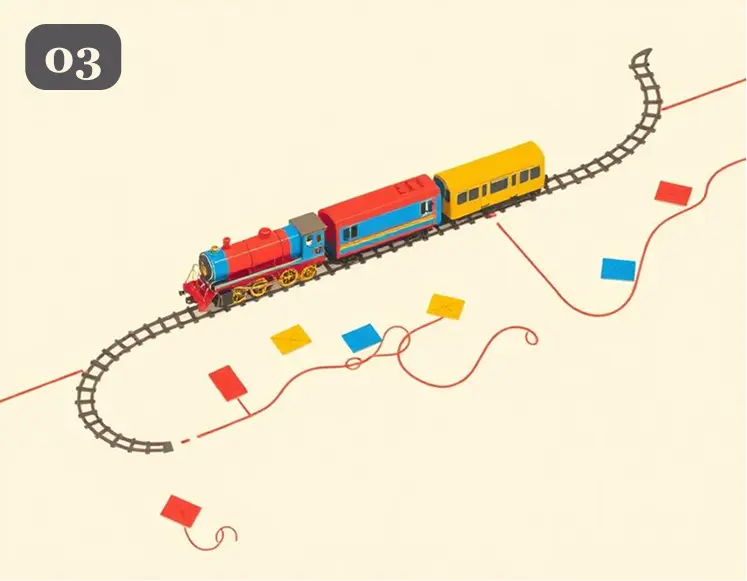
The definitive gateway game. Collect colored train cards, claim routes across a map, and race to complete destination tickets before your opponents cut you off.
Complexity
Read deep dive
-

Network Building
2–4 players · 60–120 min
Brass: Birmingham
A deep economic strategy game set in Industrial Revolution England. Building canals and rail networks while managing merchant connections rewards long-term planning and sharp reads of opponents.
Complexity
Read deep dive
-

Push Your Luck
2–4 players · 45 min
Quacks of Quedlinburg
You're an alchemist filling a potion bag by drawing ingredients — keep going for bigger points, or risk an explosion. Hilarious, tense, and endlessly replayable.
Complexity
Read deep dive
How It Works
Your path to the right game
PatternLine is organized around mechanics, not marketing. Here's how to find your next favorite game.
-

Step 1
Pick a Mechanic
Start with the kind of thinking or experience you're after. Do you want to build something? Collect and complete? Bluff opponents? Take risks? We have a category for every play style at every table.
01 / 04 -

Step 2
Filter by Complexity
Choose a complexity level that fits your group — from casual first-timers to seasoned enthusiasts. Every game in our encyclopedia carries an honest rating based on rules overhead and real decision depth.
02 / 04 -

Step 3
Read the Deep Dive
Each game entry breaks down exactly how the core pattern plays out in practice, what makes it satisfying over dozens of plays, and what the community says once the novelty has worn off.
03 / 04 -

Step 4
Follow the Recommendations
Loved a game? Our "If You Like" system maps you directly to the next title that scratches the same itch — but adds a new layer of depth or a fresh twist to keep things interesting.
04 / 04
Recommendations
If you like X, try Y
Every recommendation is grounded in mechanic overlap — not just shared themes or review scores.
-
Ticket to Ride
Brass: Birmingham
Same network-building satisfaction, but layered with economic decisions and genuine historical weight. The natural next step for players ready to go deeper.
-
Azul
Sagrada
Equally beautiful drafting experience, this time with stained-glass windows and added dice-manipulation tension. Same aesthetic joy, meaningfully higher puzzle depth.
-
Carcassonne
Isle of Skye
Tile placement with an auction mechanic built on top. You still build sweeping landscapes, but now pricing your own tiles adds a clever economic meta-game to every round.
-
Wingspan
Race for the Galaxy
Card-driven engine building at real speed. Less teaching time, more simultaneous action tension. The engine feels even more explosive once it clicks into place.
-
Sushi Go
7 Wonders
The same card-drafting loop scaled up to entire civilizations. More cards, more paths to victory, same satisfying pass-and-pick rhythm flowing around the table.
-
Rummikub
Mahjong
The grandfather of sequence building. Deeper tradition, richer opponent- reading, and centuries of strategic refinement all distilled into a set of beautiful tiles.
Recommendations
Find your starting point
Not sure where to begin? Our curated lists match your experience level, group size, and how much table time you actually have.
-
Beginner
First Games to Own
These games teach themselves. Rules overhead is low, downtime is minimal, and everyone at the table will want to play again immediately.
-
Ticket to Ride
Classic route-building, 2–5 players
-
Azul
Quick, tense tile-drafting, 2–4 players
-
Sushi Go Party
Lightweight card drafting, 2–8 players
-
Carcassonne
Relaxed tile placement, 2–5 players
-
Patchwork
Head-to-head quilting strategy, 2 players only
-
-
Intermediate
Ready to Go Deeper
You've played a few games and you're hungry for more. These titles add a meaningful extra layer without overwhelming new players.
-
Wingspan
Beautiful engine builder, 1–5 players
-
7 Wonders
Fast-moving civilization drafting, 3–7 players
-
Quacks of Quedlinburg
Push-your-luck alchemy chaos, 2–4 players
-
Isle of Skye
Tile placement plus auction tension, 2–5 players
-
Sagrada
Dice-based stained-glass puzzle, 1–4 players
-
-
Enthusiast
Games for Serious Play
For groups who treat game night as an event. These reward dedicated study, repeated plays, and players who love dissecting what just happened.
-
Brass: Birmingham
Economic network masterpiece, 2–4 players
-
Race for the Galaxy
Simultaneous card engine, 2–4 players
-
Arkham Horror LCG
Cooperative living card game, 1–4 players
-
Terra Mystica
Deep asymmetric civilization builder, 2–5 players
-
Gloomhaven
Massive campaign dungeon crawler, 1–4 players
-